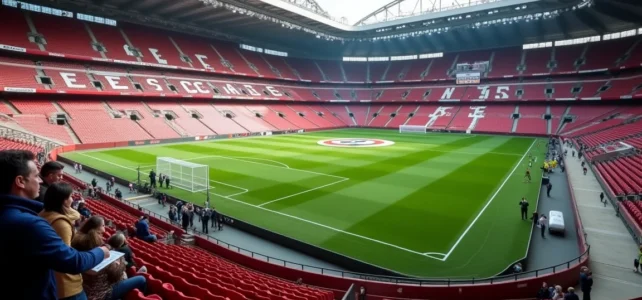
The numbering of blocks, rows, and seats at the Vélodrome stadium does not follow a uniform logic from one stand to another. Understanding this system before purchasing a ticket avoids unpleasant surprises, especially when the configuration changes between an OM match and a concert.
Block and row numbering at the Vélodrome: what the plan alone does not show
Each stand at the Vélodrome is divided into blocks identified by a letter (sometimes combined with a number). The rows are numbered from bottom to top within each block, but the row numbering restarts at each level. A row 5 at the bottom of Ganay and a row 5 at the top of Ganay do not indicate the same altitude in the stadium at all.
The seats are numbered from left to right (when looking at the pitch) in most of the side blocks. In the North and South corners, the numbering follows the curvature, making the location less intuitive on a flat plan. We recommend systematically cross-referencing the block number, row, and seat number with actual photos taken from the relevant row.
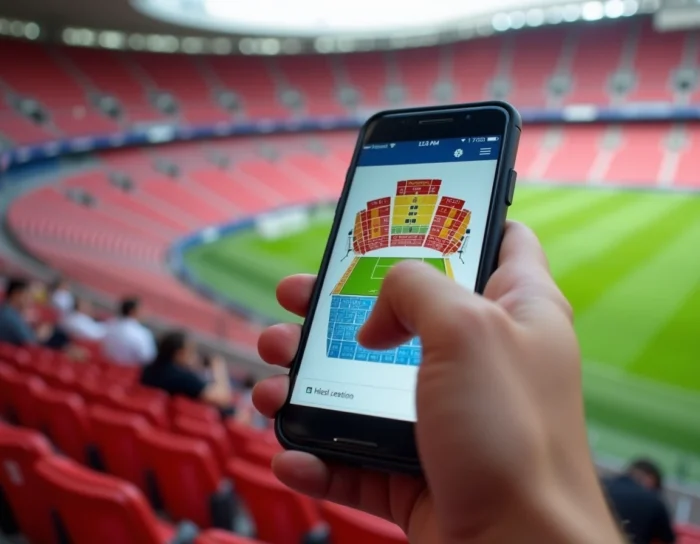
Platforms like UneVueDeMaPlace or AViewFromMySeat offer exactly that: photos sent by spectators from a specific block and row. By consulting the Vélodrome stadium plan with row and seat and then comparing it with these photos, one obtains a reliable view of what is actually being purchased.
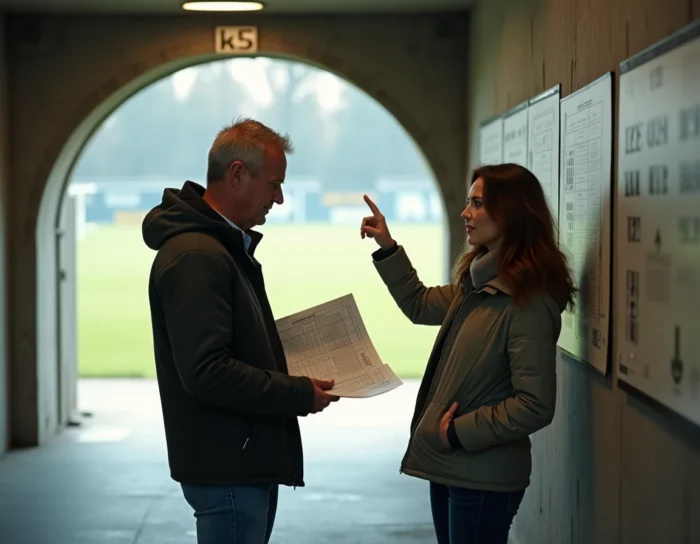
Match configuration OM or concert: the same seat, two different experiences
A ticket in a side stand ideal for football can become mediocre during a concert. The reason is simple: the stage is usually set up at one end (often on the South corner side), and the side stands then become very off-center in relation to the artist.
For an OM match, the Jean-Bouin and Ganay stands offer the best view of the game. The intermediate height (rows located between the lower third and the middle of the block) provides an angle of view that allows following collective phases without being overwhelmed by perspective.
For a concert, the logic reverses. Seats in the pit (pitch) or in the front rows of the corner facing the stage provide the desired proximity. Ticketing sites like FNAC Spectacles publish a specific plan by event, distinct from the standard “football” plan. Never rely on the OM plan to anticipate your view during a concert.
Check the configuration before each purchase
On the official ticketing site or resale platforms, the interactive plan is supposed to reflect the actual layout of the event. In practice, it happens that the plan is uploaded late, sometimes only a few weeks before the date. Wait rather than buying blindly based on the default football plan.
Vélodrome stands: technical criteria to arbitrate between Ganay, Jean-Bouin, and the corners
The choice is not limited to “side or corner.” Several technical parameters come into play:
- Height of the highest point: the Ganay stand rises significantly higher than Jean-Bouin. The last rows of Ganay offer a very steep view, suitable for spectators who want to read tactical patterns but far from the atmosphere of proximity.
- Sun exposure: Jean-Bouin faces west. For late afternoon matches, the lower rows of this stand receive direct sunlight for a good part of the first half. Ganay, oriented to the east, is in the shade earlier.
- Sound atmosphere: the North (Patrice-de-Peretti) and South (Chevalier-Roze) corners concentrate groups of supporters. The North corner is historically the loudest. If you seek the acoustic intensity of a Champions League night, that’s where you need to be. If you prefer to follow the match without standing up all the time, avoid the corners.
- Accessible seats: the Ganay stand has dedicated seats for people with reduced mobility in its lower part, with easy access from the forecourt.
OM subscriptions and access to the most sought-after blocks
The subscription campaign for the 2026-2027 season introduces a hierarchy of access. Platinum and Gold members benefit from priority for renewal and choice of their location. New subscribers find themselves in the remaining blocks, often high up in Ganay or at the ends of the corners.
This system means that the best rows of the side stands are largely locked by historical subscribers. For an occasional spectator, the available single seats often lie in the high rows or in the corner areas. Consulting real view photos from these locations becomes particularly useful to avoid any disappointment.
Resale and ticket transfer
The official OM ticketing offers a resale platform between individuals. This is the only secure channel. Tickets purchased on third-party sites or from scalpers outside the stadium present a real risk of duplication or counterfeiting. The electronic nominative ticket limits these frauds but does not prevent scams on social media.
Access to the stadium and locating your entrance door
Each ticket indicates an access door related to the block. The forecourt of the Vélodrome is divided into zones, and presenting yourself at the wrong door lengthens the journey by several hundred meters around the venue. The nearest metro and tram stations (line 2 and line 3) serve different sides of the stadium.
Locate your door on the plan before leaving. Arriving via the Sainte-Marguerite-Dromel station naturally directs you towards the south stands, while the Rond-Point du Prado stop provides more direct access to the north forecourt and Jean-Bouin.
The plan with row and seat takes on its full meaning at this stage: it is not only used to visualize the view but also to anticipate the access route, the time to climb the stands, and the proximity of refreshment stands or restrooms. A spectator who masters these details transforms an evening at the Vélodrome into a smooth experience rather than an obstacle course.