When renovating a room in 2026, the first instinct is no longer to look for a wall color on a color chart. We first check the energy performance certificate (DPE), verify eligibility for subsidies, and wonder if the sofa can come from the second-hand market. This year’s home trends blend aesthetic choices with very concrete considerations related to energy, budget, and the sustainability of materials.
Energy renovation: the true starting point for home projects in 2026
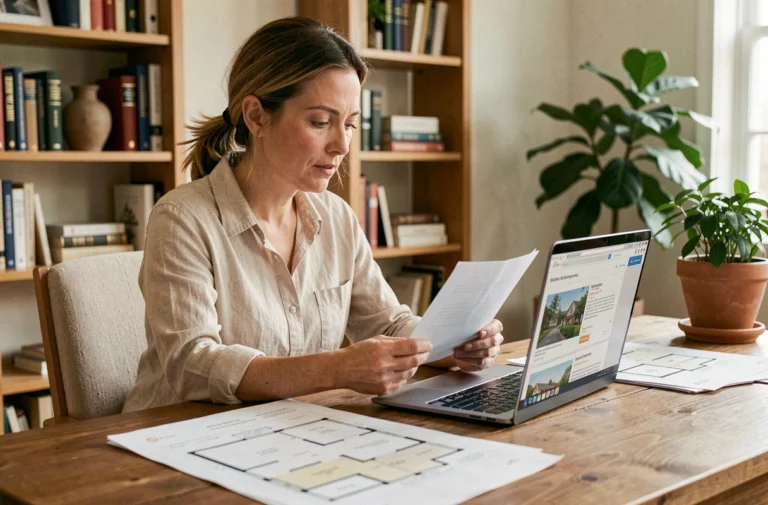
Before thinking about decor, many households face a regulatory constraint. Since the reform of MaPrimeRénov’ 2026, only projects achieving a jump of at least two classes on the DPE, without retaining gas heating, are eligible for the highest subsidies. For very modest households, these subsidies can cover up to 80% of the cost of renovations.
The state has earmarked a budget of 3.6 billion euros for the program, with a goal of at least 120,000 substantial renovations. Feedback on this point varies, as the Anah’s report for the first half of 2026 shows a drop of about 80% in the number of substantial renovation applications compared to the same period in 2025. The budget exists, but the access conditions hinder requests.
In practice, we observe that innovations for the home now focus on insulation, window replacement, or the installation of a heat pump before any decorative project. The news on Youpi La Maison reflects this trend where renovation and decoration are no longer thought of separately.
Second-hand furniture and natural materials: sustainable decoration takes hold
The second-hand furniture market is reshaping buying habits. According to Xerfi, this segment is growing to the point of altering the structure of the new furniture market. It is no longer just a marginal activist gesture, but a common reflex for furnishing a living room or bedroom.
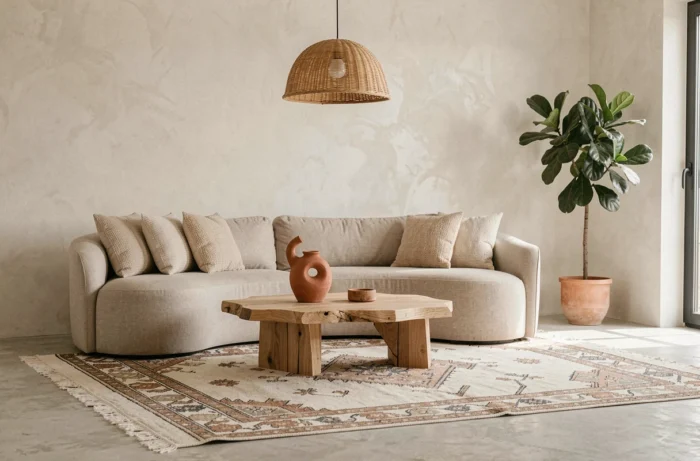
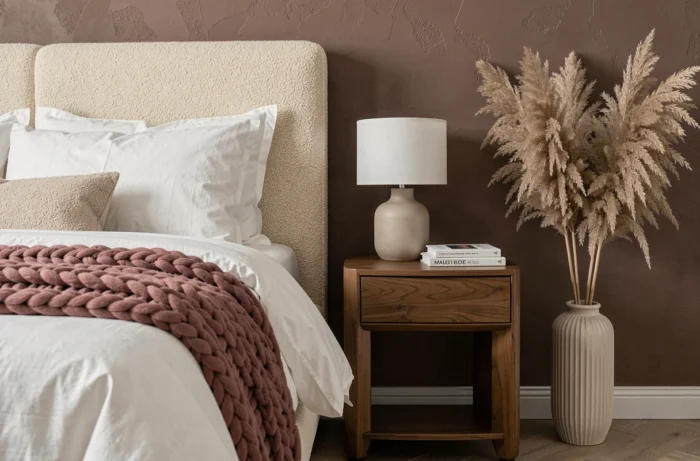
This movement is accompanied by a massive return of natural materials in interior decoration: raw wood, rattan, linen, artisanal ceramics. The 2026 decor trend no longer relies on lacquered plastic or glossy finishes. Visible textures, undyed fibers, and embraced imperfections dominate.
- Unfinished wood (oak, beech, ash) remains the flagship material for living room furniture and custom storage.
- Linen and wool replace synthetic fabrics for cushions, curtains, and throws, with neutral shades (ecru, sand, light gray).
- Artisanal ceramics are making a comeback on countertops, backsplashes, and even lighting fixtures, often in terracotta or ochre tones.
This choice of materials is not just aesthetic. A second-hand solid wood piece lasts longer than a new particle board item, and its carbon footprint is much better. For smaller spaces, custom wooden storage solutions allow for space-saving without sacrificing style.
Trendy colors: warm palette and earthy tones
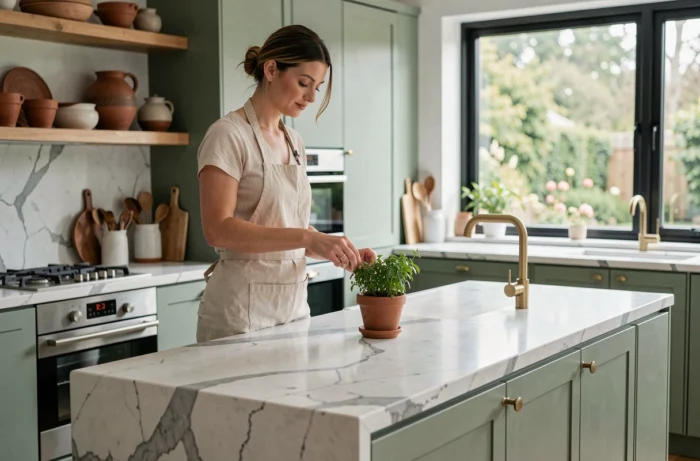
The color palette extends this natural logic. Terracotta, warm brown, ochre, and sage green form the base of 2026 interiors. They are applied to flat walls or a single wall to structure the space.
Neutral tones (off-white, beige, greige) serve as a backdrop. Bright colors appear in touches on a cushion, a vase, or a light fixture, never in a total look.
Connected home and home automation: what really changes in daily life
Home automation is no longer reserved for high-end new constructions. Connected home solutions are becoming more accessible, driven by smart thermostats, smartphone-controlled lighting, and wireless security systems.
The 2026 electrician’s guide published by Artisan Facture details the most requested installations. At the top: the connected thermostat paired with a heat pump, which allows for consumption control room by room. Next are motorized roller shutters and connected outlets to monitor electricity consumption in real-time.
The benefits of these devices go beyond comfort. They contribute to the overall energy performance of the home and can, in some cases, help improve the DPE class. The design of the boxes and interfaces has also evolved: matte finishes, colors matching the switches, discreet screens integrated into the wall.
Budget choices: where to prioritize
Faced with rising renovation costs, households are making choices. According to Le Figaro, decisions are being made between plumbing, energy, and decoration. Items related to insulation and heating take precedence, with decoration coming afterward, often with a reduced budget.
- Insulating attics or walls remains the action with the best return on investment in energy renovation.
- Replacing a gas boiler with an air-water heat pump concentrates a significant portion of MaPrimeRénov’ aids.
- Refreshing decor (painting, textiles, small furniture) comes last, often financed by selling existing furniture on the second-hand market.
This hierarchy explains why the 2026 decoration trends favor small touches with a strong visual impact rather than complete style renovations. A new ceramic light fixture, a natural fiber rug, or wallpaper on a single wall is enough to transform the ambiance of a living room without blowing the budget.
Home trends 2026: an interior thought of holistically
The common thread this year is the convergence of energy performance, choices of sustainable materials, and understated aesthetics. Warm colors and raw materials are not there by chance: they accompany an underlying movement where every purchase for the home is justified by its durability as much as by its design.
Second-hand items, accessible home automation, and renovation aids are reshaping how we furnish our interiors. The most beautiful decorative object of 2026 may well be a well-set thermostat.