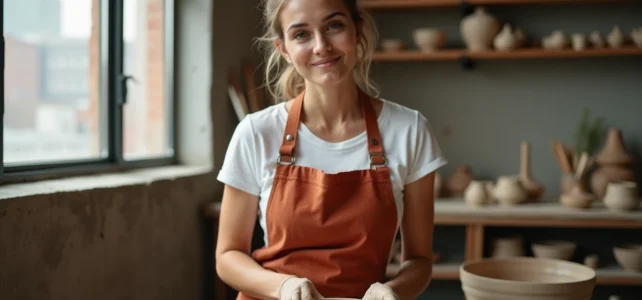
The trending leisure activities of 2026 are no longer just a list of things to pass the time. We are witnessing a clear transformation: each practice becomes a micro-project structured around a personal goal, whether it’s generating additional income, reducing one’s carbon footprint, or improving a specific health marker.
Creative hobbies generating income: the micro-project logic
The boundary between hobby and economic activity has blurred. The dominant model in 2026 is based on monetizable pastimes from the very first weeks of practice, without heavy investment.
Digital embroidery, 3D printing of decorative objects, creation of DIY patterns sold for download: these adult manual activities fit into a short value chain. The creator designs, produces, and distributes via direct sales platforms. The DIY trend of 2026 is no longer about making for oneself, but about transforming a craft skill into a stream of recurring income.
Among the leisure activities offered on Wow Magazine, several categories reflect this hybridization between creative pleasure and profitability, particularly creative workshops oriented towards production.
We recommend structuring each new hobby as a real project: define a deliverable (object, content, service), identify a distribution channel, and set a monthly profitability threshold. This approach eliminates the boredom that kills most hobbies after a few months.
Active ecotourism and micro-themed parks in France
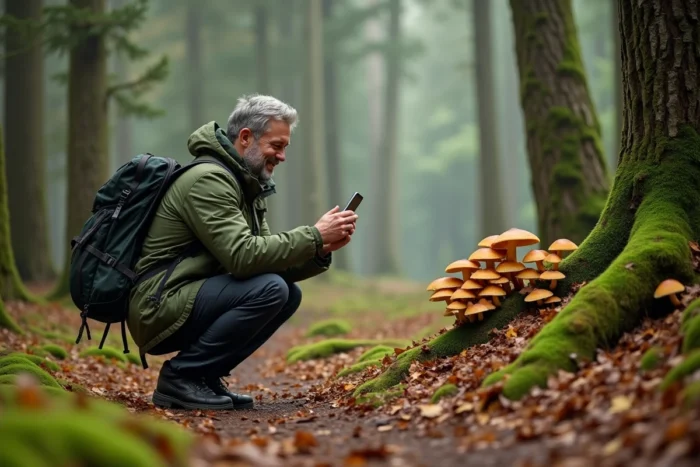
Île-de-France is seeing the emergence of micro-themed parks focused on active ecotourism. This format breaks away from the classic amusement park: short trails, low land use, and storytelling around a local ecosystem (wetlands, peri-urban forests, repurposed wastelands).
These structures offer immersive stays ranging from half a day to two days, combining physical activities (climbing on natural structures, kayaking in urban rivers) and ecological awareness workshops. The target audience is no longer families on vacation, but active adults seeking a break without long travel.
What distinguishes eco-adventure from classic hiking
Eco-adventure in 2026 systematically integrates a contribution dimension: planting, participatory biodiversity surveys, riverbank clean-ups. Participants leave with a measurable impact report, not just a souvenir. Leisure becomes a documented act of ecological restoration.
This logic particularly appeals to urban profiles aged 30-45, who view their free time as a capital to invest rather than consume.
Immersive experiences and technology-enhanced leisure
Immersive events combining augmented reality and interactive scenarios are one of the most marked leisure trends this year. The principle: overlay a digital narrative layer onto a real physical environment.
- Urban immersive escapes: scripted routes in historic neighborhoods, where smartphones or AR glasses reveal hidden elements and puzzles to solve in groups
- Techno-physical experiences indoors: a mix of sports challenges and interactive projections, with motion sensors and real-time scoring
- Augmented creative workshops: painting or sculpture assisted by generative AI, where participants co-create with an algorithm and leave with a hybrid work
The majority of practitioners report preferring these hybrid formats over purely digital experiences. The body remains engaged, which differentiates these leisure activities from simple VR video games.
Structured well-being: relaxation activities with measurable protocols
Meditation, journaling, and yoga are not new. What changes in 2026 is their integration into quantified well-being protocols. Practitioners follow multi-week programs with progress indicators: sleep quality, heart rate variability, perceived stress score.
The gratitude journal, for example, is no longer practiced as a free exercise. Apps structure daily entries, offer semantic analyses of mood, and generate monthly reports. Relaxation leisure becomes a personal management tool.
Adult manual activities with therapeutic aims
Diamond painting, punch needle, pottery on a slow wheel: these manual practices are experiencing a resurgence of interest because they meet a specific need for cognitive disconnection. The repetitive gestures mobilize focused attention and reduce mental rumination.
We observe that the workshops that work best combine three elements:
- A technical gesture accessible in less than an hour of practice
- A tangible result at each session (finished object or visible progress)
- A restricted social setting (groups of four to eight people maximum)
A hobby that produces a concrete object retains participants more than a purely experiential activity. This observation guides the design of new creative workshops for adults.
Building your leisure portfolio as a life project
The most productive approach is to divide your free time among three types of leisure: an income-generating hobby, a physical hobby with an ecological dimension, and a cognitive recovery hobby. This triangulation covers financial, bodily, and mental needs without overloading the schedule.
Each activity deserves a testing phase of four to six weeks before a deeper commitment. Testing a hobby like you would test a minimum viable product allows for quick identification of what lasts over time and what is merely a passing enthusiasm.
The trending leisure ideas of 2026 share a common trait: they reject passivity. Whether it’s about monetized creative workshops, documented eco-adventures, or augmented immersive experiences, free time is now structured around concrete results. The most sustainable leisure is the one that produces something, whether it’s an object, income, or usable health data.